What We’ll Cover
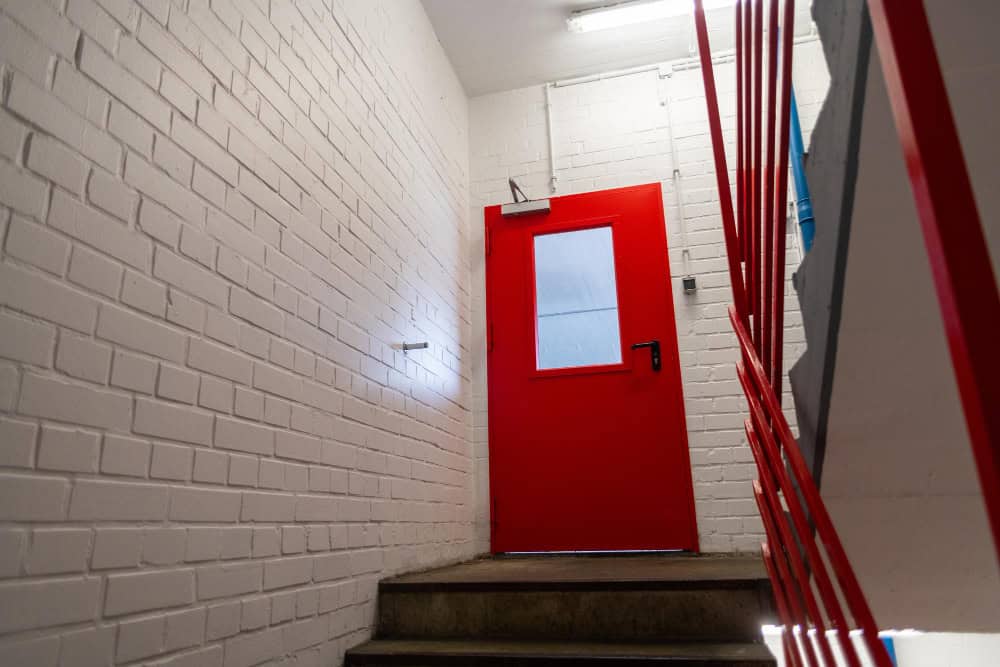
Fire doors are a vital part of a building’s fire safety strategy — but only if they work as intended. Unfortunately, during professional fire door inspections, we see the same issues crop up time and time again.
If you’re a landlord, facilities manager, responsible person, or business owner, understanding these common failures can help you stay compliant, protect lives, and avoid costly fines.
In this article, we’ll cover the five most frequent fire door inspection failures and what you can do to prevent them.
1. Gaps Around the Door Are Too Large
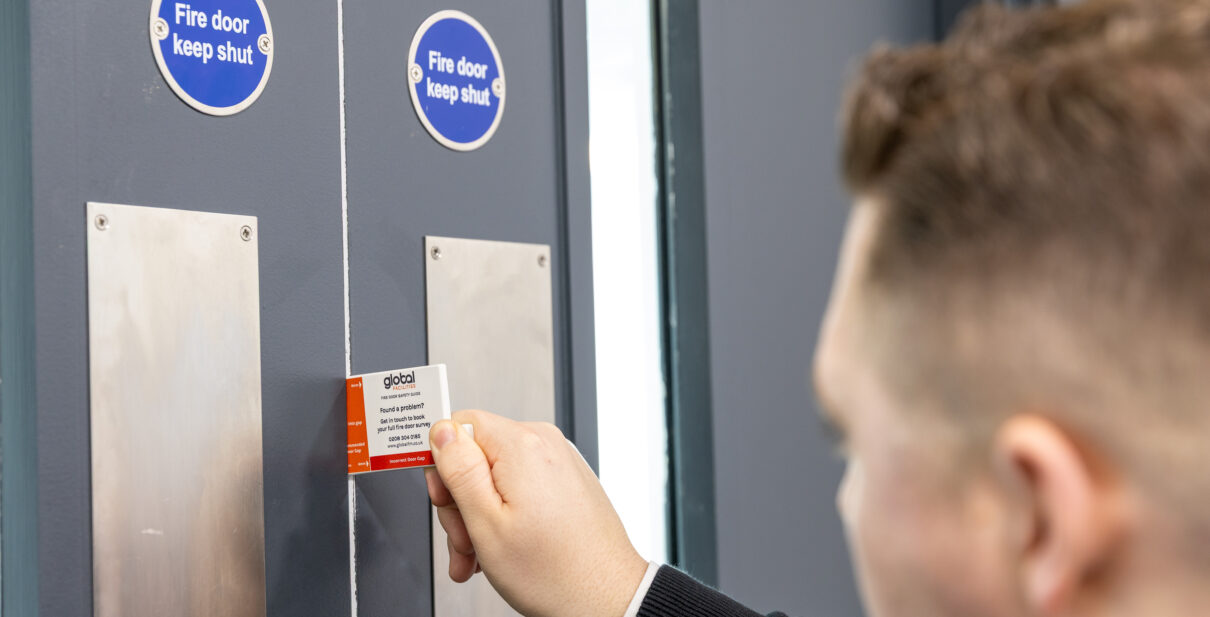
One of the most common inspection failures involves gaps that are too large or too small.
The Rules: Fire doors should have consistent gaps of between 2mm and 4mm at the top and sides. Anything smaller can cause the door to stick, while anything larger could allow smoke and flames to pass through.
Common Causes: Poor installation, building movement, or natural wear and tear.
How to Fix It: Use a gap gauge to check tolerances regularly and have adjustments made by a qualified fire door inspector if needed. Contact our team for a gap gauge.
Pro tip: Even if your fire doors were compliant when first installed, changes to the building or regular use can cause gaps to shift over time — so regular checks are essential.
2. Damaged or Missing Fire Door Seals
Intumescent and smoke seals are essential for stopping fire and smoke from passing through the door edges.
Problem: Seals are missing, damaged, painted over, or incorrectly fitted.
Why It Fails: Lack of maintenance or unqualified repairs.
How to Fix It: Inspect seals regularly for cracks or peeling, and always replace them with certified fire door seals.
3. Incorrect or Damaged Fire Door Closers
Fire doors are designed to close automatically in the event of a fire.
Problem: Closers are missing, faulty, or adjusted incorrectly so the door doesn’t close fully.
Why It Fails: Cost-cutting, wear and tear, or improper fitting.
How to Fix It: Have a competent inspector check door closers during every inspection and replace them when needed.
Did you know? If a fire door doesn’t close fully, it cannot offer the protection it’s designed to provide.
4. Non-Compliant or Damaged Glazing
Some fire doors contain vision panels or glazing that must meet strict fire resistance standards.
Problem: Glass is cracked, missing seals, or not fire-rated.
Why It Fails: Using incorrect replacement glass or failing to maintain glazing systems.
How to Fix It: Ensure any fire door glazing complies with BS 476 or BS EN 1634-1 standards and is professionally installed.
5. Inappropriate or Non-Compliant Ironmongery
Handles, hinges, and locks aren’t just cosmetic — they’re part of the door’s fire resistance.
Problem: Using non-fire-rated hinges, locks, or letter plates, or having loose fittings.
Why It Fails: Lack of awareness or DIY installations.
How to Fix It: Always use fire-rated ironmongery and have it checked regularly to ensure it’s secure and undamaged.
Stay Compliant, Stay Safe
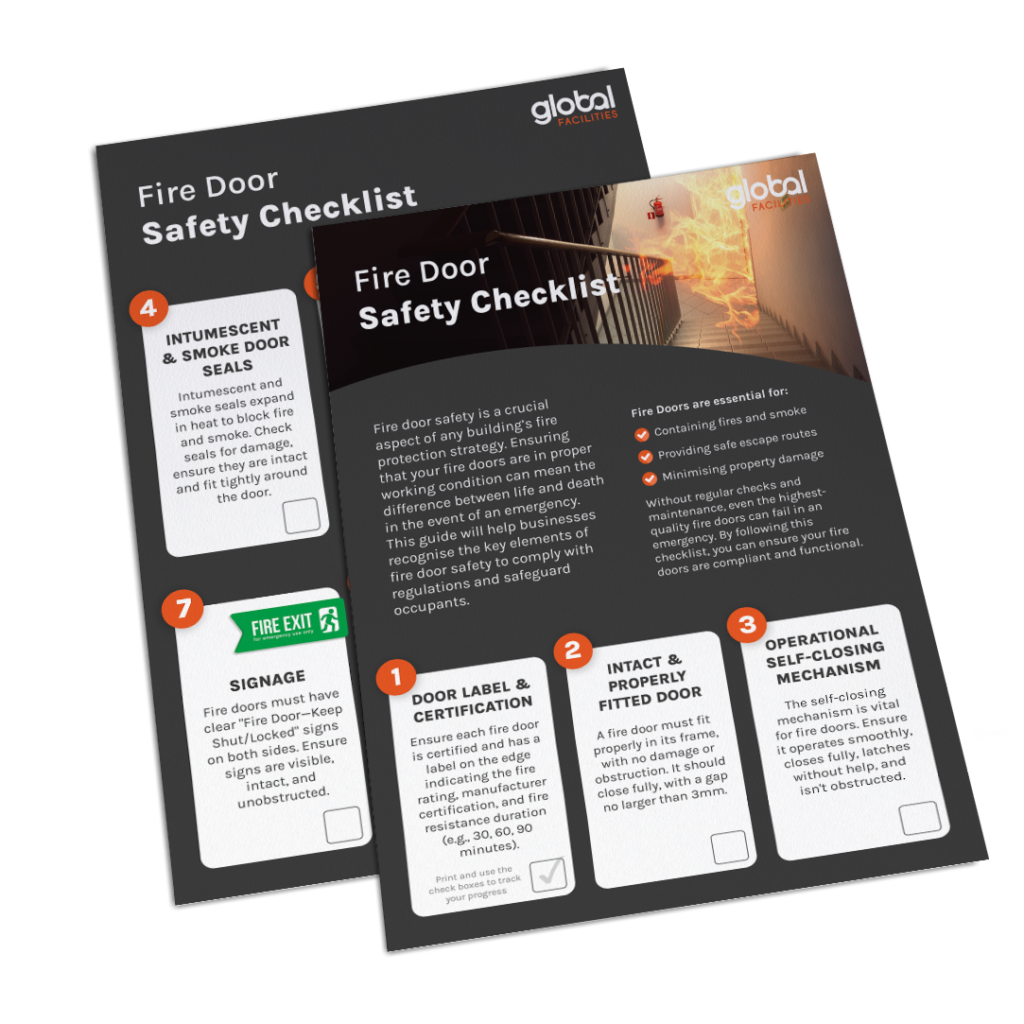
Failing a fire door inspection isn’t just inconvenient — it can be dangerous and costly. By understanding these common failures, you can spot potential issues early and stay compliant with fire safety regulations. Download our free fire door safety checklist to get started.
Tip: The easiest way to stay compliant is to have regular, professional fire door inspections carried out by certified specialists.
Need a fire door inspection? Book a professional fire door survey today and ensure your doors are fully compliant and safe.