Planned Preventive Maintenance (PPM) – sometimes called preventative maintenance – is a proactive approach to facilities maintenance where routine inspections and servicing are scheduled in advance to prevent equipment failures. In essence, PPM is the opposite of waiting for something to break (reactive maintenance); it involves carrying out maintenance tasks at predetermined intervals or according to usage, so that issues are addressed before they become serious problems.
The goal is to keep building assets, equipment and systems running safely and efficiently, rather than facing costly downtime or emergencies. Maintenance is carried out “to prevent problems arising, to put faults right, and to ensure equipment is working effectively” – and when those tasks are planned in a regular programme, that is PPM.
In the UK, facilities managers and property owners commonly implement PPM programmes to maintain everything from HVAC units and lifts to fire safety systems in good working order.
Understanding Planned Preventive Maintenance
A well-designed PPM programme entails creating a schedule of routine maintenance activities for each asset in a facility. This schedule is often based on manufacturers’ recommendations, industry best practices, and statutory requirements.
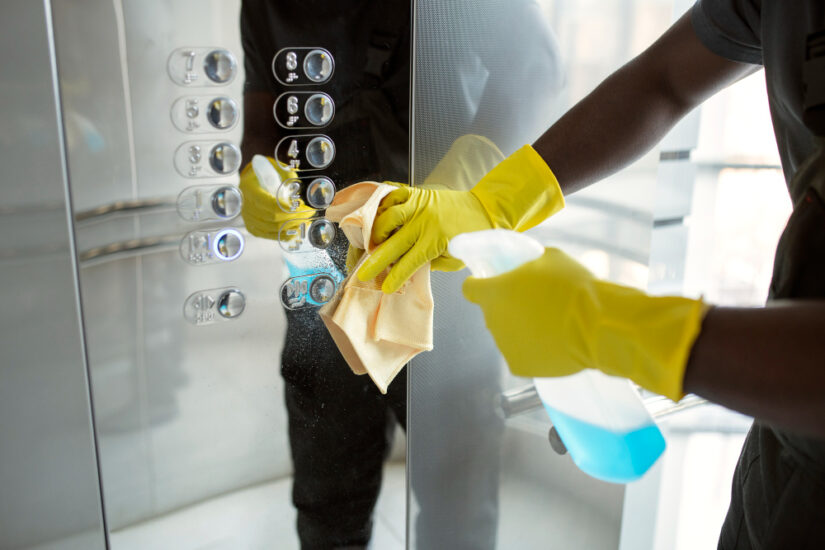
For example, an air conditioning system might be serviced every quarter, emergency lighting tested monthly, and boilers inspected annually – these intervals are planned in advance and recorded on a maintenance calendar. By conducting regular checks, lubrication, cleaning, part replacements and adjustments at set frequencies, PPM aims to catch incipient problems early. As a result, assets can be repaired or tuned up before a minor issue leads to a major breakdown.
Crucially, PPM is preventive in nature: its main objective is to avoid failures and unplanned outages. Industry literature often notes that “ideally, nothing breaks down” under a preventive maintenance regime. In practice this means performing tasks like oil changes, filter replacements, tightening of bolts, safety inspections, and so on at scheduled intervals. These tasks are typically logged and tracked. Modern maintenance strategies may also include condition-based maintenance (servicing triggered by condition monitoring or sensor data) as part of a PPM programme. However, whether it’s time-based or condition-based, the common thread is that maintenance is planned rather than reactive.
By contrast, reactive maintenance (also known as “breakdown maintenance”) means fixing or replacing equipment only after a failure occurs. While no organisation can prevent all breakdowns, relying solely on reactive fixes tends to be inefficient and risky. PPM significantly reduces the reliance on emergency call-outs and urgent repairs. It is a more strategic approach that gives facilities teams better control over maintenance work and budgets.
It’s worth noting that PPM is a subset of overall maintenance strategy. More advanced programmes may incorporate predictive maintenance, where IoT sensors and analytics predict failures (allowing intervention right before a failure, rather than on a fixed schedule). Predictive techniques are emerging, but for many UK property managers and engineers, a solid PPM programme is the foundation of effective asset management – ensuring routine upkeep is never neglected.
Check out or post on What Is Computer-Aided Facility Management (CAFM)?
Key Benefits of PPM
- Reduced Downtime and Fewer Breakdowns: PPM keeps equipment more reliable, so unexpected outages occur less often. Regular servicing prevents the sudden failures that cause operational downtime. In fact, facilities that only do reactive maintenance experience dramatically more downtime and defects. By minimising unplanned breakdowns, PPM helps avoid production stoppages and business disruptions.
- Cost Savings Over Time: Although setting up a PPM programme requires an upfront investment, it yields significant cost savings in the long run. Planned maintenance is far cheaper than emergency repairs or replacing failed machines. Studies have found that preventive maintenance can save 12–18% in overall maintenance costs compared to a purely reactive approach. . By getting more years of service from boilers, HVAC units, lifts, etc., an organisation maximises return on its capital investments. Assets running in optimal condition also tend to consume less energy and operate more efficiently, further reducing costs.
- Extended Asset Lifespan: Routine maintenance prolongs the life of building systems and equipment. Simple tasks like cleaning filters, lubricating moving parts, and replacing worn components prevent accelerated deterioration. Research indicates a preventive maintenance programme can extend asset life by 20–40% on average. By getting more years of service from boilers, HVAC units, lifts, etc., an organisation maximises return on its capital investments. Assets running in optimal condition also tend to consume less energy and operate more efficiently, further reducing costs.
- Improved Safety and Compliance: Keeping up with planned maintenance is essential for a safe environment and legal compliance. The UK’s Health and Safety Executive (HSE) stresses that well-maintained equipment is more reliable and poses fewer hazards to users. Many serious accidents have been traced to lack of maintenance – for example, in manufacturing, about 30% of work-related deaths are linked to poor maintenance practices. PPM mitigates these risks by ensuring critical safety systems (fire alarms, emergency lights, gas detectors, machine guards, etc.) are routinely checked and functional. It also helps organisations comply with the law by scheduling statutory inspections and servicing that are required by UK regulations (more on this below). In essence, PPM protects workers and occupants from preventable accidents and helps avoid legal penalties for non-compliance.
- Operational Efficiency and Reliability: A preventive approach yields more stable and efficient operations. Machines and building systems that receive regular tune-ups perform at their best. For example, a chiller or heating system that is cleaned and serviced will deliver consistent climate control and use energy more efficiently than a neglected one. PPM therefore not only prevents breakdowns, but also optimises day-to-day performance – improving comfort for occupants and productivity for business. Fewer sudden failures mean maintenance work can be organised during off-peak hours, which minimises disruption to operations. Overall, the facility runs more smoothly, with maintenance being a background activity rather than constant “fire-fighting” of urgent issues.
- Budget Predictability: With a planned maintenance programme, costs become more predictable. Instead of sporadic huge repair bills, maintenance spending is smoothed out into regular, manageable expenses. Facilities managers can forecast annual PPM costs and schedule activities when budget allows, rather than being blindsided by large unexpected failures. This makes financial planning easier for building owners and prevents “deferred maintenance” – the temptation to put off fixes until they snowball into crises. In the long term, PPM delivers a strong return on investment by stabilising the cost of asset ownership.
By reaping these benefits, organisations achieve a safer, more compliant operation and a more cost-effective one. In summary, PPM helps UK businesses save money, stay within the law, and ensure dependable service from their property and equipment.
UK Regulations and Standards for Maintenance
In the United Kingdom, there are clear legal obligations to maintain premises and work equipment safely. Planned preventive maintenance isn’t just good practice – in many cases it’s a legal requirement for compliance and safety. Several laws, regulations and standards guide facilities managers in setting up PPM:
- Health and Safety at Work etc. Act 1974: The primary law for workplace safety places a general duty on employers (and building owners/managers) to ensure, so far as reasonably practicable, the health and safety of employees and others on the premises. This implies keeping the workplace and equipment in safe condition. In fact, supporting regulations explicitly require that workplaces and certain equipment, devices and systems are maintained in an efficient state and good working order for health and safety purposes.
- Workplace (Health, Safety and Welfare) Regulations 1992: Regulation 5 of these rules mandates that the workplace and equipment/facilities (such as ventilation systems, safety devices, etc.) be maintained in efficient working order. Employers must implement a maintenance schedule for anything whose failure could pose a risk to health or safety.
- Provision and Use of Work Equipment Regulations (PUWER) 1998: PUWER requires all work equipment – from hand tools to factory machinery – to be maintained in an efficient state, in efficient order and in good repair. If equipment has a maintenance log, it must be kept up to date. Moreover, any maintenance operations must be carried out safely (e.g. machines powered down, appropriate isolation and PPE). In practice, complying with PUWER means having a preventive maintenance programme for work equipment and keeping records to prove maintenance has been done.
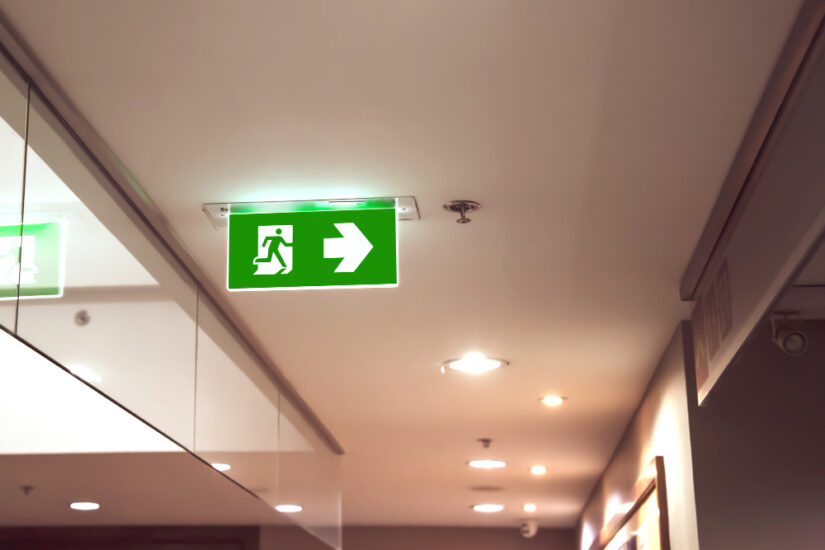
- Regulatory Reform (Fire Safety) Order 2005: This fire safety law requires that all fire protection systems (fire alarms, emergency lighting, extinguishers, sprinklers, etc.) are kept in working order and checked regularly. For instance, fire alarms should be tested weekly and serviced at least every 6 months by a competent person, in line with BS 5839 recommendations. Likewise, emergency lights should be function-tested monthly and undergo an annual full duration test (as per BS 5266). These preventive checks are a legal duty for the “Responsible Person” of a premises to ensure the fire safety provisions will work during an emergency.
- Lifting Operations and Lifting Equipment Regulations (LOLER) 1998: LOLER mandates regular thorough examinations of lifting equipment (e.g. passenger lifts, cranes, hoists) by a competent inspector. Typically lifts must be inspected every 6 or 12 months (depending on type and usage). Including these statutory inspections in the PPM schedule is vital for compliance. Likewise, associated maintenance like routine lubrication and adjustment of lift machinery should be scheduled to keep the lift safe and reliable.
- Pressure Systems Safety Regulations 2000: These regulations require periodic inspection and certification of pressure vessels and systems (such as steam boilers, compressed air receivers, HVAC pressure systems). An Written Scheme of Examination is usually drawn up, and qualified engineers must inspect the equipment at set intervals (often annually) to prevent dangerous failures. A PPM programme for a building’s boiler or autoclave, for example, will incorporate these required examinations along with regular servicing.
- Gas Safety (Installation and Use) Regulations 1998: For properties with gas-fired appliances (boilers, heaters, cookers), it is legally required that they are maintained safely. In commercial settings, employers must ensure gas appliances are maintained by Gas Safe registered engineers. Landlords have a duty to obtain annual gas safety certificates for gas installations – a practice often extended to commercial plant maintenance. Therefore, annual servicing of gas boilers and heating systems by a certified engineer would be a standard PPM task to meet these regulations.
- Electricity at Work Regulations 1989: These regulations require electrical systems to be maintained to prevent danger. While they don’t prescribe exact intervals, in practice this means routine inspection and testing of electrical installations (commonly a 5-yearly fixed wiring inspection for commercial buildings, as guided by BS 7671), as well as regular testing of portable appliances (PAT testing) and maintenance of backup generators or UPS systems. Incorporating these checks into the PPM schedule ensures the electrical infrastructure remains safe and compliant.
In addition to laws and regulations, the UK has industry standards and guidance that help in planning maintenance. A notable one is SFG20, published by the Building Engineering Services Association (BESA). SFG20 is widely regarded as the standard maintenance specification for building assets in the UK. It provides comprehensive lists of maintenance tasks and recommended frequencies for different types of equipment (HVAC, electrical, plumbing, etc.), categorized by priority. Facilities managers often use SFG20 as a reference to build their PPM schedules and ensure no required task is overlooked. SFG20 also highlights which tasks are statutory (legally required) versus which are considered good practice. By following a standard like SFG20, an organisation can be confident that its maintenance programme aligns with industry best practices and compliance obligations.
It’s important for UK property professionals to integrate statutory inspections into PPM. This means scheduling those legally required checks (like lift examinations, boiler inspections, fire system tests, etc.) at or before their due dates. Many companies maintain a compliance calendar as part of PPM to track these deadlines. Failing to do so can result in legal enforcement or insurance issues. A facilities manager is typically responsible for planning and monitoring maintenance activities to meet legal requirements and standards, including all preventive tasks. Ultimately, a well-run PPM programme not only preserves asset condition but also demonstrates due diligence with UK safety and building regulations.

Implementing a PPM Programme
Setting up a planned preventive maintenance programme requires a structured approach. Below are key steps to implement PPM effectively in a building or facility:
- Catalogue Assets and Systems: Begin by creating an inventory of all assets that need maintenance. This includes building fabric and structural elements, building services systems (HVAC, electrical, plumbing, lifts, fire systems), and critical equipment or machinery. For each asset, gather information such as make/model, installation date, usage patterns, and any existing maintenance records. Understanding the asset register is the foundation – you can’t maintain what you haven’t identified. For example, a typical office building’s asset list might include air handling units, boilers, chillers, elevators, emergency generators, fire alarm panels, smoke detectors, pumps, security systems, etc. Engaging maintenance staff or conducting a site survey can help ensure no asset is overlooked. Prioritise assets by criticality as well: identify which items could cause significant safety or business issues if they fail (focus on these first in your PPM planning).
- Define Maintenance Tasks and Frequencies: For each asset on the list, determine what maintenance activities are needed and how often. Consult manufacturer’s guidelines (operation & maintenance manuals) for recommended service intervals and procedures. Also incorporate legal requirements – e.g. if a regulation mandates an annual inspection, that sets a minimum frequency. Industry standard resources like SFG20 can be extremely helpful at this stage, as they provide model maintenance schedules. Using SFG20 or similar, you can outline tasks (inspections, lubrication, part replacements, testing, cleaning, etc.) and their intervals (weekly, monthly, quarterly, yearly, or runtime-based) for each asset type. For example, SFG20 might tell you that an air conditioning unit should have a monthly visual check, quarterly filter clean, and annual full service; or that a standby generator requires a weekly start-up test and biannual servicing. Tailor these to your specific building usage – time-based schedules work well for most, but in some cases you might use condition-based triggers (like “replace filter when pressure drop exceeds X”) especially if you have sensors or smart monitoring. The outcome of this step should be a PPM schedule matrix or calendar that shows all required tasks and how often they occur (e.g. daily, weekly, monthly, etc., for each asset).
- Schedule the Maintenance Activities: Next, plot the maintenance tasks onto a calendar or timeline for the coming months/year. Aim to spread out the workload logically and take into account operational cycles (plan major work for off-peak times or shutdown periods to minimise disruption). Each task needs a target date or week. Many organisations create a year-long maintenance planner that specifies, for instance, which services will be done each month. It’s useful to incorporate statutory inspection dates here – for instance, if lift inspections are due every April and October, mark those in. Ensure that high-frequency tasks like weekly or monthly checks are assigned to specific days and persons. This scheduling step is greatly aided by software tools: using a computerized system can automatically populate recurring tasks. However, even a spreadsheet or calendar can work if kept up to date. Key considerations when scheduling include coordination with building users (e.g. schedule HVAC downtime for maintenance after hours if possible) and lead times for any contractors or parts needed.
- Assign Responsibilities (In-house vs Contractors): Determine who will carry out each maintenance task. Some tasks can be handled by an in-house maintenance team (if one exists) – such as routine inspections, meter readings, minor adjustments, etc. Other tasks may require specialist contractors or certified technicians (for example, a lift engineer for LOLER inspections, a fire alarm specialist for biannual servicing, or an HVAC technician for chiller overhauls). It’s critical that whoever is assigned is competent and qualified for the job at hand. The HSE advises that maintenance work should only be done by people with sufficient training and expertise, especially for high-risk or technical equipment. When implementing PPM, you may need to set up maintenance contracts with external service providers for certain systems (common for elevators, fire systems, boilers, etc. in the UK). Clearly document the responsibility for each task in the schedule – whether it’s an internal maintenance engineer, an external contractor, or a vendor under a service agreement. Also ensure they have access at the right times and any permits to work if needed. Good communication is vital: everyone involved should know the plan and their role in it.
- Utilise a Maintenance Management System: To manage a PPM programme efficiently, most organisations leverage technology, such as a Computerised Maintenance Management System (CMMS) or CAFM (Computer-Aided Facilities Management) software. A CMMS helps by centralising all maintenance data – it can store the asset register, schedule tasks, send automatic reminders when services are due, and record work completion. Using a dedicated maintenance software or even a well-structured spreadsheet greatly reduces the risk of tasks being missed. Modern systems allow you to generate work orders for each PPM task, track their status, and even update logs via a mobile app when technicians complete the job. For example, an engineer performing a monthly generator test can tick it off in the CMMS on their tablet, entering any readings or notes. This creates a record instantly. Over time, the system will build a full service history for each asset, which is invaluable for auditing and analysis. If a formal CMMS is not available, at minimum maintain a manual log or checklist for PPM tasks and review it regularly. The key is to have a systematic tracking mechanism so nothing slips through the cracks.
- Record, Review and Improve: Implementation isn’t finished once the schedule is up and running – a successful PPM programme requires ongoing management. Ensure that every maintenance activity is documented upon completion (date, what was done, by whom, any observations or repairs made). These records prove compliance (e.g. you can show an inspector your servicing logs) and help in troubleshooting recurrent issues. Supervisors should periodically review the PPM logs to verify tasks are done on time and to identify any trends. Are certain machines needing frequent corrective repairs despite PPM? That might indicate the schedule needs adjustment or the asset is aging out. Conversely, you might find some intervals can be extended without ill effect, saving cost. Use maintenance data to refine the programme – this might involve adding new tasks (if a previously unknown issue arises regularly) or changing frequencies. Also, gather feedback from maintenance technicians: they often have practical insights on how to improve the task procedures or make the schedule more efficient. Continuous improvement will optimise the programme over time. Lastly, periodically audit the PPM programme against compliance requirements and business needs – for instance, if new regulations or standards emerge (or if your building use changes), update the maintenance plan accordingly. PPM is not a “set and forget” scheme; it evolves with the facility.
By following these steps, a facilities manager or property team can establish a robust PPM programme. Start small if needed – focus on critical safety and business-critical assets first, then expand the scheduled maintenance to cover more items. The result will be a proactive maintenance culture where everyone knows what needs to be done, when, and by whom, and where maintenance issues are anticipated instead of constantly reacted to.

Leveraging Technology for PPM
Modern technology is making planned maintenance easier and more effective than ever. As mentioned, a CMMS is a cornerstone technology for many organisations. It not only schedules and tracks tasks, but often can generate reports on maintenance performance, costs, and compliance. Many CMMS/CAFM systems used in the UK (and globally) allow integration with other building systems. For example, some link with Building Management Systems (BMS) to gather runtime hours or sensor alerts from equipment, triggering maintenance work orders automatically based on condition data.
The rise of the Internet of Things (IoT) means that connected sensors can monitor equipment parameters (temperature, vibration, pressure, etc.) in real time. As IoT becomes more common, a building’s plant can even “communicate” directly with maintenance software – for instance, sending an alert when a motor is overheating, which generates a preventive check task. This blurs the line between strictly scheduled maintenance and predictive maintenance, but it fundamentally enhances a PPM programme by ensuring maintenance is done at the optimal time.
Mobile technology is also a big enabler. Technicians today might carry smartphones or tablets with the maintenance app, allowing them to receive job tickets, check off tasks, input readings, and take photos of asset conditions on the fly. This real-time data capture on site is uploaded to the maintenance database, ensuring consistent reporting and reducing errors. It also means managers can see the status of PPM tasks across, say, a large estate of buildings instantly, and verify that all compliance checks are done. Some organisations use QR codes or RFID tags on equipment – a tech scans the code to pull up that asset’s maintenance checklist on their device, which streamlines the process.
Other emerging tech includes drones for inspecting roofs or facades (making external building maintenance safer and cheaper than erecting scaffolding), and 3D building information models (BIM) linked to maintenance schedules (so that looking at a BIM model of the building can show the maintenance history or next due date of each element). These tools help manage PPM in complex facilities and hard-to-reach areas. The trend is that maintenance management is becoming more data-driven: analysis of maintenance data can reveal inefficiencies and help prioritise resources better. For example, by tracking costs, one can decide whether it’s more economical to replace an asset rather than keep repairing it.
For UK facilities professionals – from estate managers to engineers – embracing such technologies can greatly enhance a PPM programme. The combination of a well-thought-out maintenance plan plus modern tools to execute that plan leads to improved reliability, compliance and cost control. Technology doesn’t replace sound maintenance principles, but it amplifies the effectiveness of preventive strategies. As one industry article put it, “the new tools and technology at [our] disposal will save both time and money… a silent revolution in the way our buildings are maintained”. In short, leveraging a good CMMS and related technologies turns PPM from a paperwork chore into a streamlined, intelligent process.
Conclusion
Planned preventive maintenance is a cornerstone of professional facilities management – especially in the UK, where strict regulations and high expectations for safety and reliability apply. By clearly understanding what PPM is and implementing it in a structured way, property managers, facilities engineers, and business owners can protect their assets and people while also reaping economic benefits. A well-run PPM programme keeps buildings comfortable and safe, ensures compliance with laws (from fire safety to equipment regulations), and avoids the steep costs of emergency repairs and downtime. It shifts maintenance from a reactive “fix it when it fails” stance to a proactive mode where potential issues are addressed on your terms.
When writing or rewriting your organisation’s maintenance policy, keep it brand-neutral and objective – focus on the fundamental practices and standards that apply across the industry. Referencing UK regulations (HSE guidance, SFG20, British Standards) provides a solid, neutral foundation that is widely respected. Real-world examples, such as scheduling a quarterly chiller service or weekly alarm test, help illustrate how PPM works without needing any specific company’s product. The emphasis should remain on the outcomes: cost savings, legal compliance, safer workplaces, longer asset life, and smoother operations.
For any UK professional responsible for buildings or equipment, the message is clear: investing in planned preventive maintenance is not just an overhead, but a smart strategy that pays dividends. It requires forethought, organisation, and sometimes cultural change, but the results – fewer surprises, more control, and a more resilient facility – are well worth it. By using the guidance and tools available, and continuously improving your maintenance programme, you can ensure your organisation’s built assets serve you reliably for years to come.
In the end, PPM is about caring for what you own in a methodical way, so that day-to-day business is safe, efficient and uninterrupted. It’s a hallmark of good management and a key contributor to the success of any property-dependent operation.