As employers in the UK, maintaining hygiene in the workplace is more than just a legal obligation—it’s a smart investment in both staff wellbeing and organisational efficiency. The workplace is where employees spend a significant portion of their lives, and ensuring it is clean, safe, and healthy has a direct impact on health, morale, and productivity.
Check out our commercial cleaning services.
Why Workplace Hygiene Matters
Illness in the workplace can spread quickly if hygiene standards are not upheld, leading to increased sickness absence and lower productivity. Seasonal colds, flu, and other infections are common in shared spaces, and a clean and well-maintained environment is the first line of defence. By providing accessible handwashing facilities, regular cleaning of communal areas, and guidance on personal hygiene, employers actively protect their workforce and foster a safer workplace culture.
Reducing Costs Through Better Hygiene
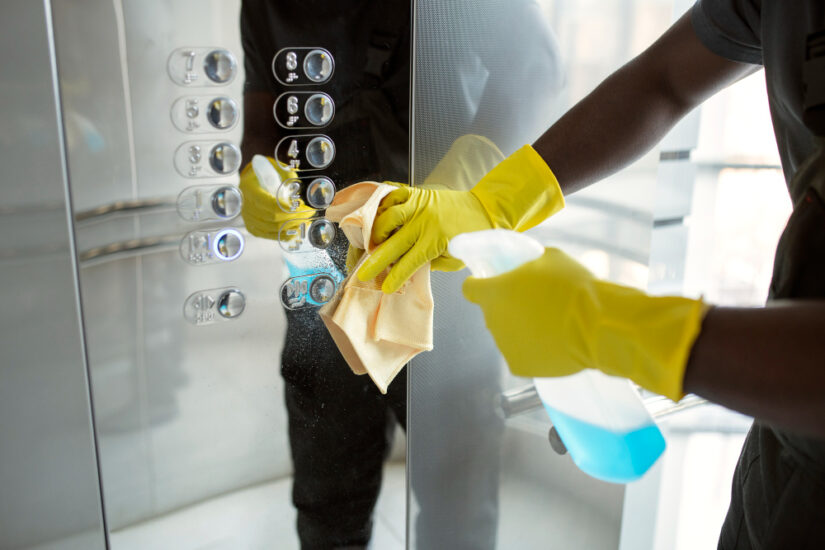
Sickness absence is expensive. UK businesses lose an estimated £29 billion annually due to staff illness. Investing in workplace hygiene, such as regular cleaning schedules, disinfecting high-touch surfaces, and providing hand sanitiser, can significantly reduce absenteeism. Fewer sick days mean savings on lost productivity and less pressure on colleagues covering for absent staff. Good hygiene isn’t just about health, it’s about the bottom line.
Boosting Staff Happiness and Engagement
Employees notice when their wellbeing is valued. Staff who work in clean, hygienic environments feel respected and safe, which directly impacts morale and motivation. Studies have shown that a tidy, well-maintained workplace improves engagement and retention, meaning fewer recruitment and training costs for employers. Happy employees are productive employees, and fostering a hygienic work environment demonstrates care and leadership.
Maintaining Clean Workstations and Common Areas
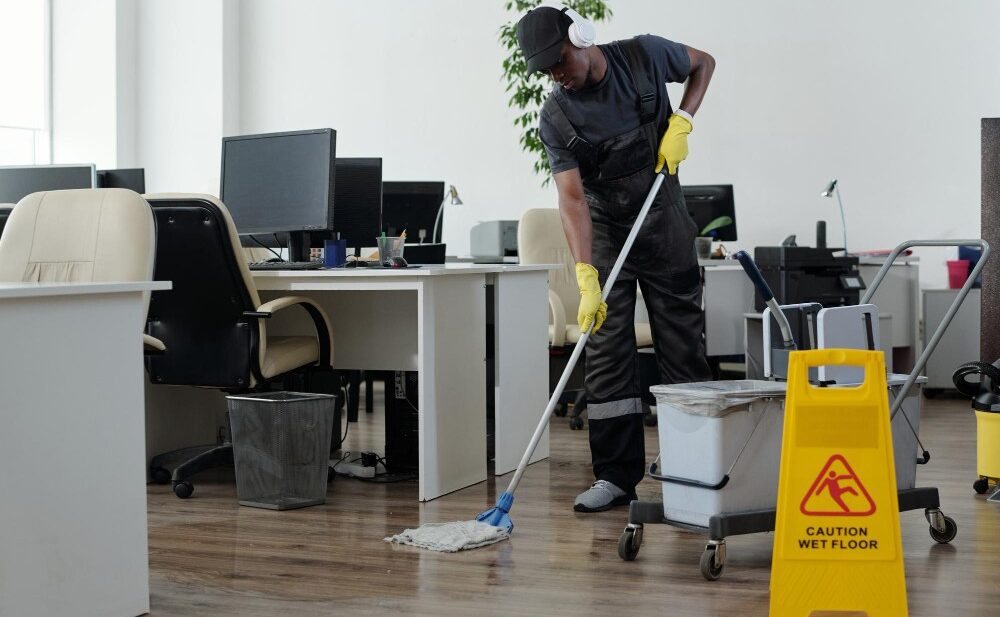
Day-to-day hygiene matters. Clean desks, organised workstations, and disinfected office equipment reduce the spread of germs and create a professional, welcoming atmosphere. Shared areas such as kitchens, break rooms, and toilets should be cleaned regularly, with sufficient supplies of disinfectant wipes, tissues, and bins. Encouraging staff to take responsibility for keeping communal spaces tidy helps build a culture of accountability and pride.
Food Hygiene and Shared Spaces
Shared kitchens and fridges are often hotspots for contamination. Employers should encourage staff to label, date, and clear away food to prevent spoilage and unpleasant smells. Clear guidance on lunch etiquette and personal responsibility in communal spaces fosters respect, reduces risk, and contributes to a positive working environment.
Air Quality and Ventilation
Proper ventilation and air quality are vital for a comfortable and safe workplace. Clean air helps prevent the spread of airborne germs and can reduce staff fatigue and discomfort. Employers should ensure heating, ventilation, and air conditioning systems are regularly maintained and consider simple measures such as opening windows or using air purifiers in crowded or poorly ventilated areas.
The Business Case for Hygiene
Ultimately, prioritising workplace hygiene is a win-win. It protects health, boosts staff morale, enhances productivity, and saves money by reducing sickness-related costs. A clean and safe workplace also reflects professionalism, creating a positive impression on clients and visitors. By investing in hygiene, employers demonstrate that they value their staff, their business, and their reputation—building the foundation for a thriving, efficient, and healthy organisation.