Knowing which extinguisher to use in an emergency can make all the difference between containing a small fire and it spreading dangerously. In the UK, fire extinguishers are classified and colour-coded under BS EN 3 standards to make identification clear and consistent. Here’s a simple breakdown of extinguisher types, how they work, and where they should be used.
What are the classes of fires?
In the UK, extinguishers are categorised by fire class and agent (the extinguishing substance). Each class corresponds to a different type of fuel:
Class A
Solid Materials:
Paper, wood, textiles
Class B
Flammable Liquids:
Petrol, paint, solvents
Class C
Flammable Gasses:
Propane, butane, methane
Class D
Combustible Metals:
Magnesium, aluminium
Class F
Cooking Oils & Fats:
Deep fat fryers, commercial kitchens
Electrical Fires
Energised Electrical Equipment:
Computers, wiring, fuse boxes
The main extinguisher types and their colour codes
UK extinguishers are all red with a small colour band showing the type of agent. Here’s how each one works:
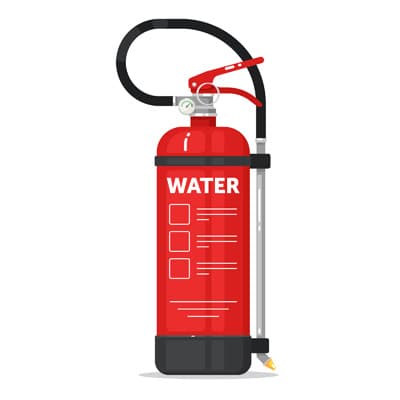
1. Water (Red Label)
Use on: Class A fires (solid combustibles).
Do not use on: Electrical, flammable liquids, or cooking oil fires.
How it works: Cools burning material, removing heat.
Common locations: Offices, corridors, storage areas.
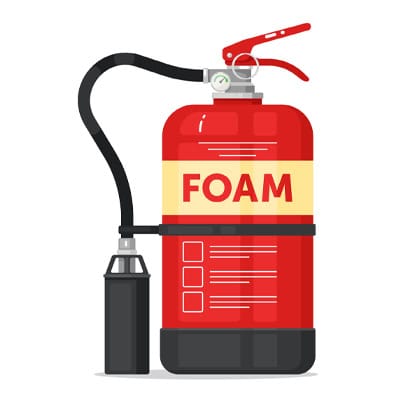
2. Foam (Cream Label)
Use on: Class A and B fires.
Do not use on: Electrical or cooking oil fires.
How it works: Forms a blanket over flammable liquid, cutting off oxygen.
Common locations: Garages, warehouses, workshops.
3. Dry Powder (Blue Label)
Use on: Class A, B, C fires and electrical fires (up to 1000V).
Do not use on: In confined spaces — the powder can reduce visibility and make breathing difficult.
How it works: Smothers the fire and breaks the chemical reaction.
Common locations: Fuel storage areas, vehicles, outdoor plant sites.
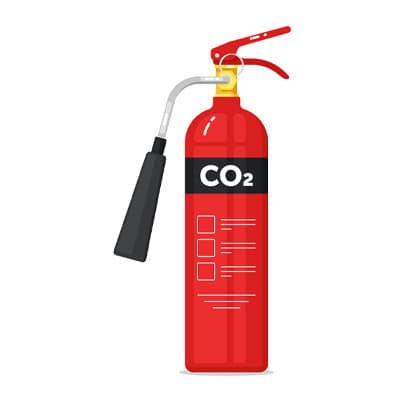
4. Carbon Dioxide – CO₂ (Black label)
Use on: Electrical and Class B fires.
Do not use on: Class A (deep-seated) or Class F fires.
How it works: Displaces oxygen and cools electrical components.
Common locations: Server rooms, offices, electrical panels.
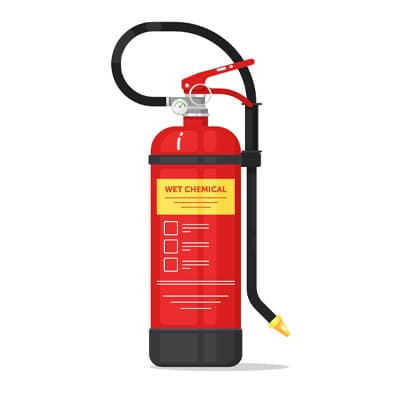
5. Wet Chemical (Yellow label)
Use on: Class F fires (cooking oils/fats) and sometimes Class A.
Do not use on: Electrical or flammable liquid fires.
How it works: Produces a soapy layer that cools and seals the oil’s surface, preventing reignition.
Common locations: Kitchens, restaurants, catering facilities.
Choosing the right extinguisher for your premises
The Regulatory Reform (Fire Safety) Order 2005 requires every UK workplace to have a fire risk assessment. This should identify the most likely fire hazards and specify which extinguishers are needed and where they should be placed.
For example:
Offices: Water and CO₂
Workshops: Foam and Dry Powder
Commercial kitchens: Wet Chemical
Server rooms: CO₂ only
Extinguishers should be mounted on brackets or stands, clearly labelled, and regularly inspected — ideally monthly visually and annually by a competent person, following BS 5306-3.
How to use an extinguisher safely
Always ensure you have a clear escape route before tackling a small fire. Remember the PASS technique:
Pull the pin
Aim the nozzle at the base of the fire
Squeeze the handle
Sweep from side to side
If the fire grows or you’re unsure, evacuate immediately and call 999.
Key Takeaways
Match the extinguisher type to the class of fire you might face.
Check colour codes to avoid using the wrong agent.
Conduct regular maintenance and staff training.
Always prioritise personal safety — extinguishers are for small, contained fires only.
This information is for general guidance only. Always have fire safety equipment installed and checked by a qualified, certified professional in line with UK fire safety standards. For full assurance, consult a competent fire safety advisor before making changes to your fire protection setup.